All Categories
Featured
Table of Contents

Embracing Smart Financial Systems in Massachusetts

Financial management by 2026 has transitioned from manual record-keeping to highly advanced, autonomous systems. The reliance on paper statements or manual calendar tips has mainly faded as customers focus on efficiency and precision. Building a strong credit profile in 2026 requires more than simply paying expenses on time; it includes establishing a protective architecture that avoids errors before they take place. Experts tracking trends in Massachusetts observe that homeowners who use automated oversight tend to preserve ratings considerably higher than those who count on memory.The core of this technique lies in the synchronization of checking account, charge card, and reporting companies. In the present year of 2026, banks provide advanced user interfaces that permit granular control over payment timing and quantity. Instead of basic "set it and forget it" models, modern automation utilizes predictive logic to make sure that payments are made when they most benefit the credit utilization ratio. This shift is particularly noticeable when taking a look at credit management programs, which now typically incorporate directly with personal banking apps to offer real-time updates.Success in 2026 depends upon Personal Capital to make sure that every fiscal action contributes positively to a credit report. This technique lowers the risk of human mistake, which remains a leading cause of accidental score drops. By eliminating the manual aspect, customers ensure that their credit report reflects consistent, accountable habits without the friction of monthly chores.
Advanced Autopay Strategies for Massachusetts
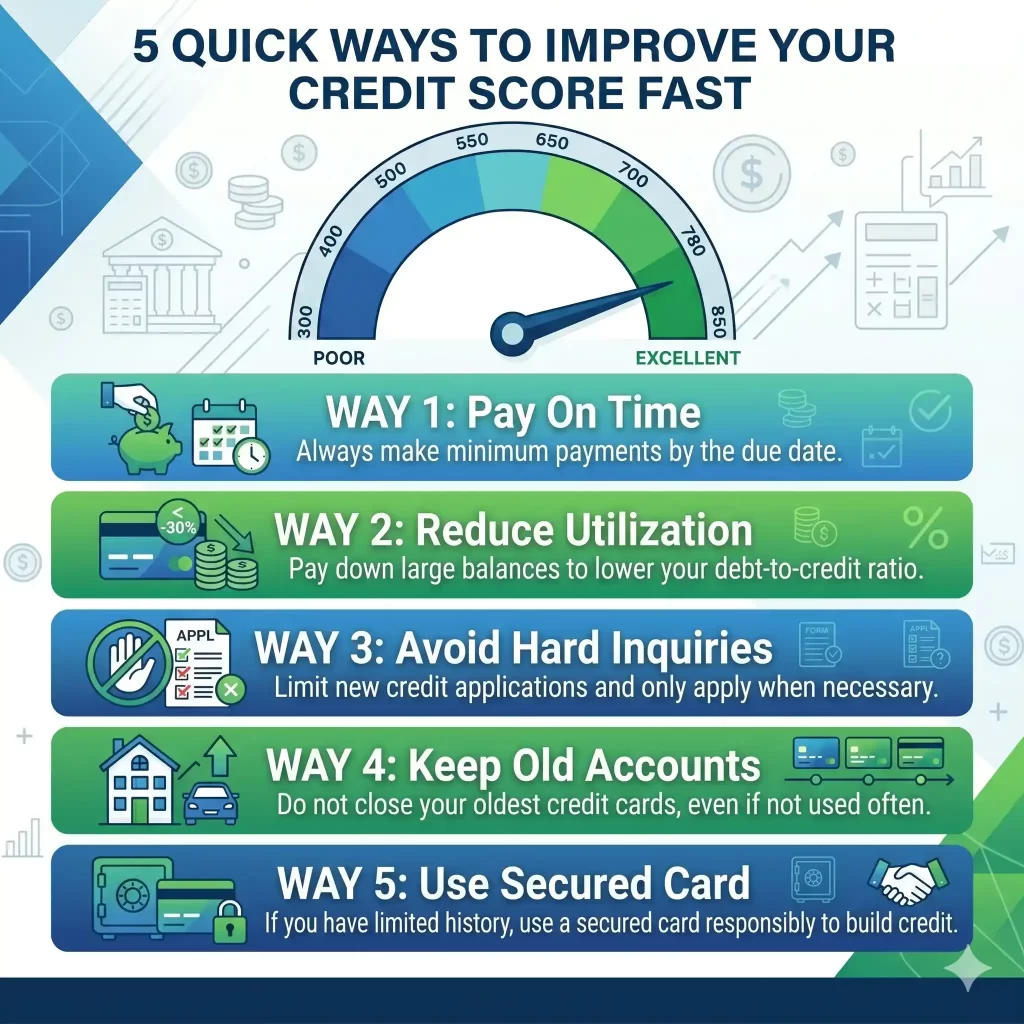
Basic autopay was when a blunt instrument that simply moved cash on a specific date. In 2026, professional financial therapists suggest a tiered method. The very first tier involves "Micro-Payments" or "Frequent Cycling." Rather than one large payment at the end of the month, automated systems can be set to settle little balances whenever they reach a specific limit. This keeps the reported balance low at all times, which is a significant consider the credit history designs used throughout 2026. Strategic Personal Capital Management deals clear paths for enhancement by ensuring that credit usage remains listed below ten percent. For numerous in Massachusetts, high cost-of-living costs can lead to high charge card balances if not handled daily. By automating numerous payments throughout the billing cycle, the reported usage remains minimal, even if the total monthly spending is considerable. This strategy is a staple of professional counseling methods in 2026, enabling people to use their credit cards for benefits without the charge of high balance reporting.Another layer of this strategy includes "Buffer Automation." This is the practice of setting up secondary accounts that instantly cover any shortages in a main bank account. In 2026, these sweeps are instant, avoiding "non-sufficient funds" errors that could cause missed payments. This protective procedure is frequently gone over by specialists knowledgeable about local credit enhancement firms as a way to protect a perfect payment history against unexpected bank delays or timing inequalities.
Incorporating AI-Driven Alerts and Changes

The year 2026 has actually seen the rise of AI assistants that do more than simply inform a user of a costs. These assistants now analyze costs patterns and anticipate when a credit rating may be at danger. If an automated membership increases its rate unexpectedly, the system can flag it as a possible danger to a specific budget goal. This level of oversight is vital for those browsing the complicated monetary environment of Massachusetts. Monitoring services in 2026 have actually evolved to consist of "Synthetic Fraud Defense" and "Automated Conflict Filing." If an unapproved account appears on a credit report, automated systems can initiate the primary steps of a difficulty before the user even logs in. This speed is vital due to the fact that credit rating designs in 2026 respond rapidly to new information. A hold-up of a few days in reporting a mistake can result in a rating drop that takes months to recover.Increased interest in Personal Capital for Savers has forced lending institutions to be more transparent about how they report data. Customers who use automated tools to audit their own reports find that they can capture discrepancies that manual reviews frequently miss. These tools compare the information across all three major bureaus and highlight any disparities in payment history, account age, or credit limits. In Massachusetts, where competition for low-interest loans is high, having a clean and accurate report is a requirement rather than a luxury.
Credit Mix and Automated Diversity
A healthy credit profile in 2026 needs a varied mix of account types. While many individuals focus entirely on charge card, scoring designs likewise try to find installment loans, such as auto loans or individual loans. Counselors frequently suggest using automated "Credit Contractor Loans" for those who require to diversify their mix without taking on high-interest financial obligation. These items immediately subtract a percentage monthly, hold it in a secured account, and report the on-time payments to the bureaus.In Massachusetts, these automated builder tools are frequently paired with credit consulting packages to provide a detailed method. The appeal of these systems is that they run in the background. As soon as the preliminary setup is complete, the debtor can concentrate on their profession or individual life while their credit score gradually climbs. This hands-off approach is the gold standard for monetary health in 2026. Beyond installment loans, 2026 has presented more ways to consist of non-traditional information in credit reports. Automation permits for the reporting of lease, utility, and even streaming service payments. Solutions that specialize in this data aggregation ensure that every on-time payment for a cell phone expense or a house in Massachusetts counts toward the last rating. For younger borrowers or those new to the nation, this automated addition of "soft" credit information is a main way to establish a footprint.
Maintaining Security in an Automated Environment
With increased automation comes the requirement for increased security. In 2026, monetary therapy consists of a heavy emphasis on digital hygiene. This suggests using encrypted password supervisors and two-factor authentication for every single account linked to an automatic system. Professional consultants in Massachusetts tension that while automation saves time, it does not remove the requirement for regular human audits.A typical recommendation is the "Quarterly Sync-Up." Every 3 months, a customer should review all automated triggers to ensure they still line up with current earnings and goals. If an individual gets a raise or changes tasks in 2026, their automated payment limits need to be changed appropriately. This makes sure that the system continues to work for the person's current reality instead of their past circumstances.Data personal privacy also remains a concern. When utilizing digital financial tools, it is essential to understand what data is being shared and with whom. The regulations of 2026 offer more defense for consumers, however the obligation of picking trustworthy platforms stays with the user. Trying to find services that have a strong performance history of security within Massachusetts is a prudent step before connecting high-value accounts.
The Long-Term Impact of Financial Autonomy
The cumulative result of these automated strategies is a more resilient monetary standing. By 2026, the gap between those who utilize innovation to handle their credit and those who do not has actually broadened. The speed at which credit decisions are made-- often in seconds by AI lending institutions-- indicates that there is no longer any margin for mistake. A single late payment in 2026 can be more destructive than it was a years ago since the systems are more conscious recent data.Moving toward a fully automated design enables homeowners of Massachusetts to move with more dexterity. Whether obtaining a home mortgage or a business loan, having a credit history that is maintained by a precise, automatic system supplies a level of confidence that manual tracking can not match. The professional approaches of 2026 emphasize that credit is a tool to be handled with technical precision, not a mystery to be feared.As the year 2026 progresses, the tools offered for credit management will only end up being more integrated and intelligent. Welcoming these modifications is the most efficient way to ensure long-lasting financial health. By establishing a system that focuses on low utilization, consistent payments, and accurate reporting, anybody can accomplish a top-tier credit score. The shift towards automation represents a democratization of monetary knowledge, putting the power of a professional counselor into the pocket of every customer.

Latest Posts
When to Seek Professional Credit Experts Today
Boosting Your Credit Score Quickly in 2026
A Strategic Roadmap to Higher Credit Scores